
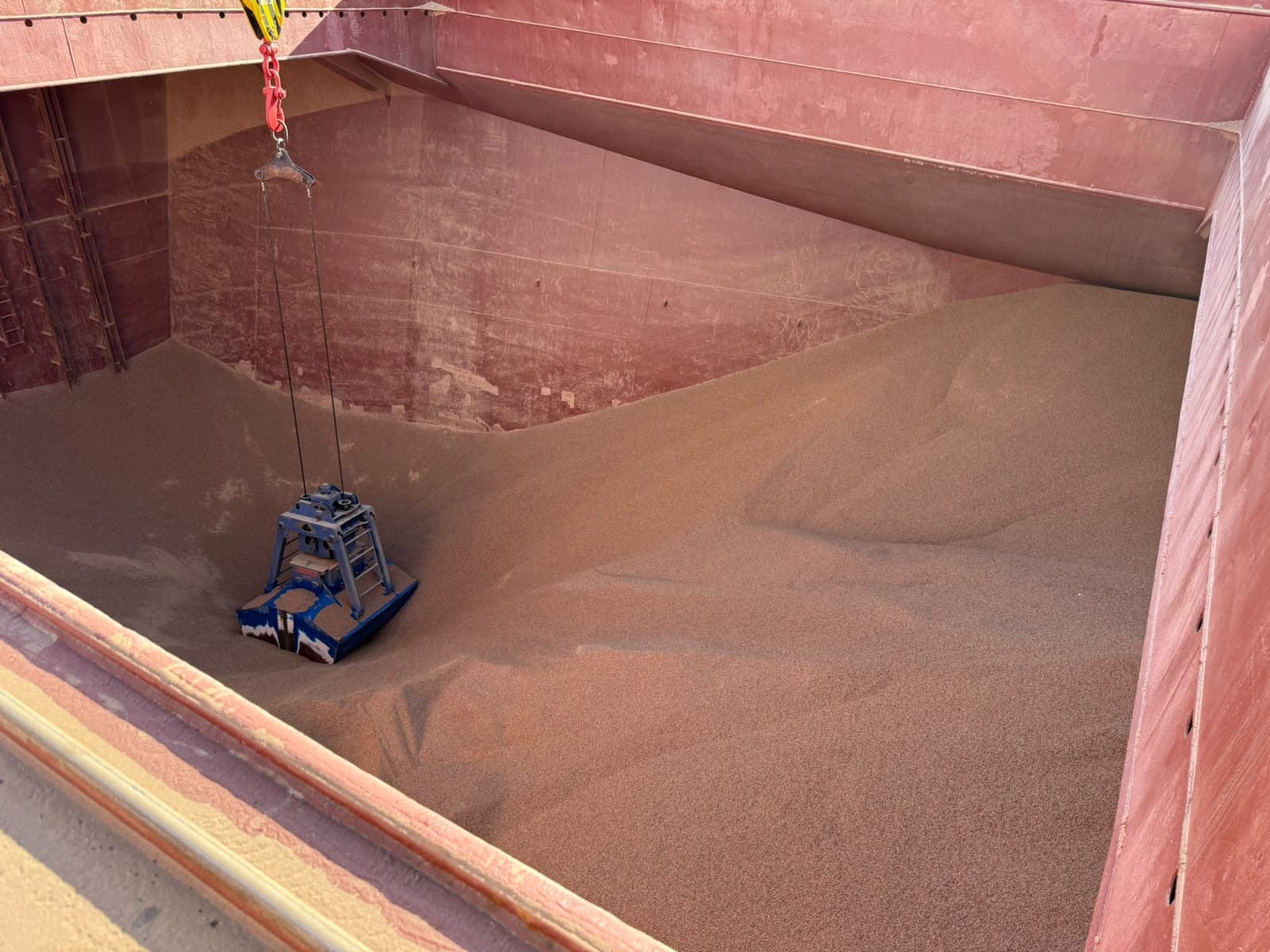
What exactly we sell in class A1
Class A1 in PN-EN ISO 17225-2 sets the strictest limits on ash, moisture and mechanical durability. Our batch meets them and also complies with the Polish solid fuel quality regulation published as Dz.U. 2025 item 618. The figures below come from the test report for this specific batch, not from a generic trade specification.
| Raw material | 100% pine |
| Diameter | 6 mm |
| Calorific value | 17.82 MJ/kg |
| Ash content | 0.15% |
| Moisture | 5.06% |
| Mechanical durability | 98.8% |
| Bulk density | 727 kg/m³ |
| Compliance | PN-EN ISO 17225-2 A1 |
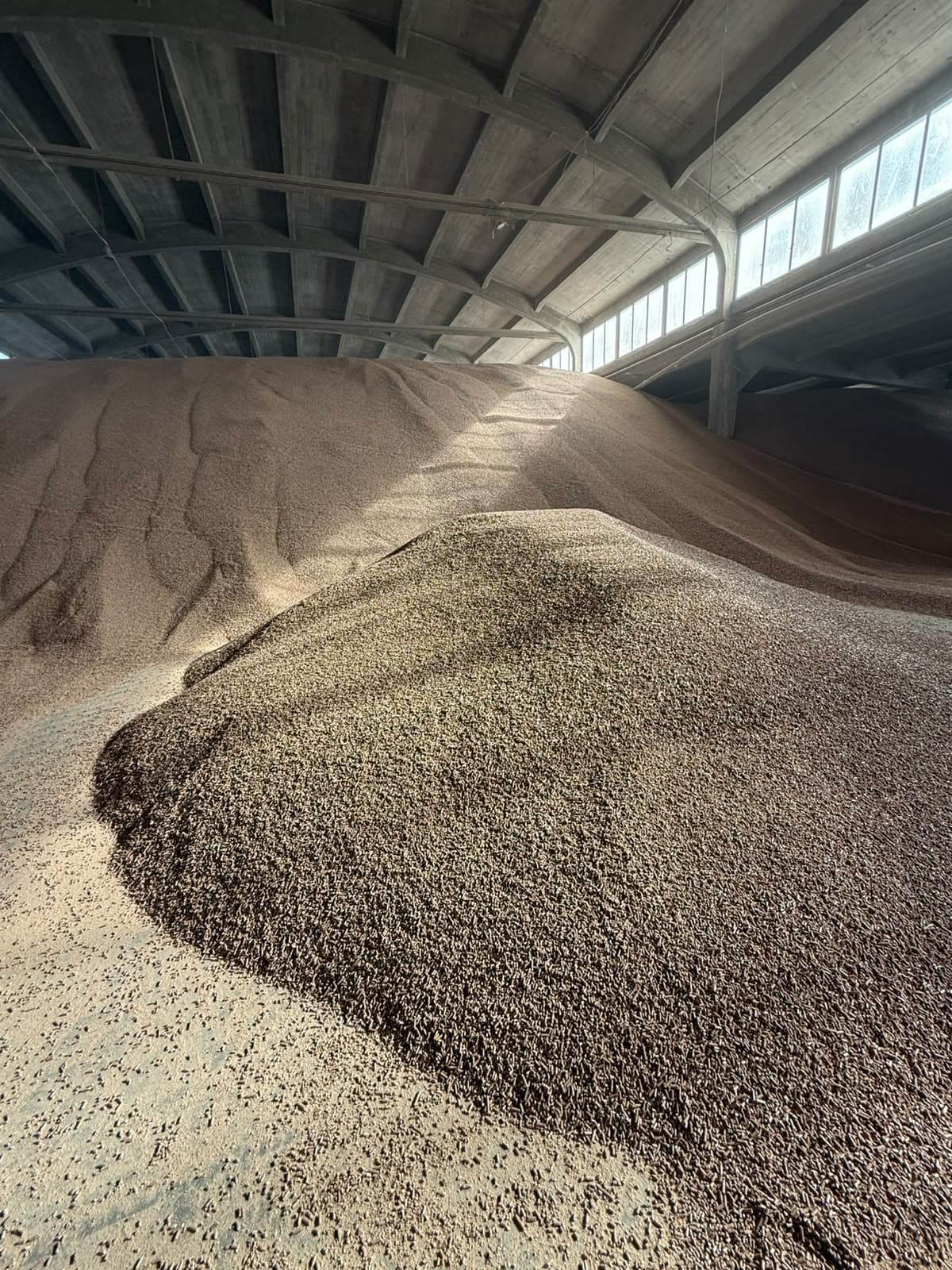
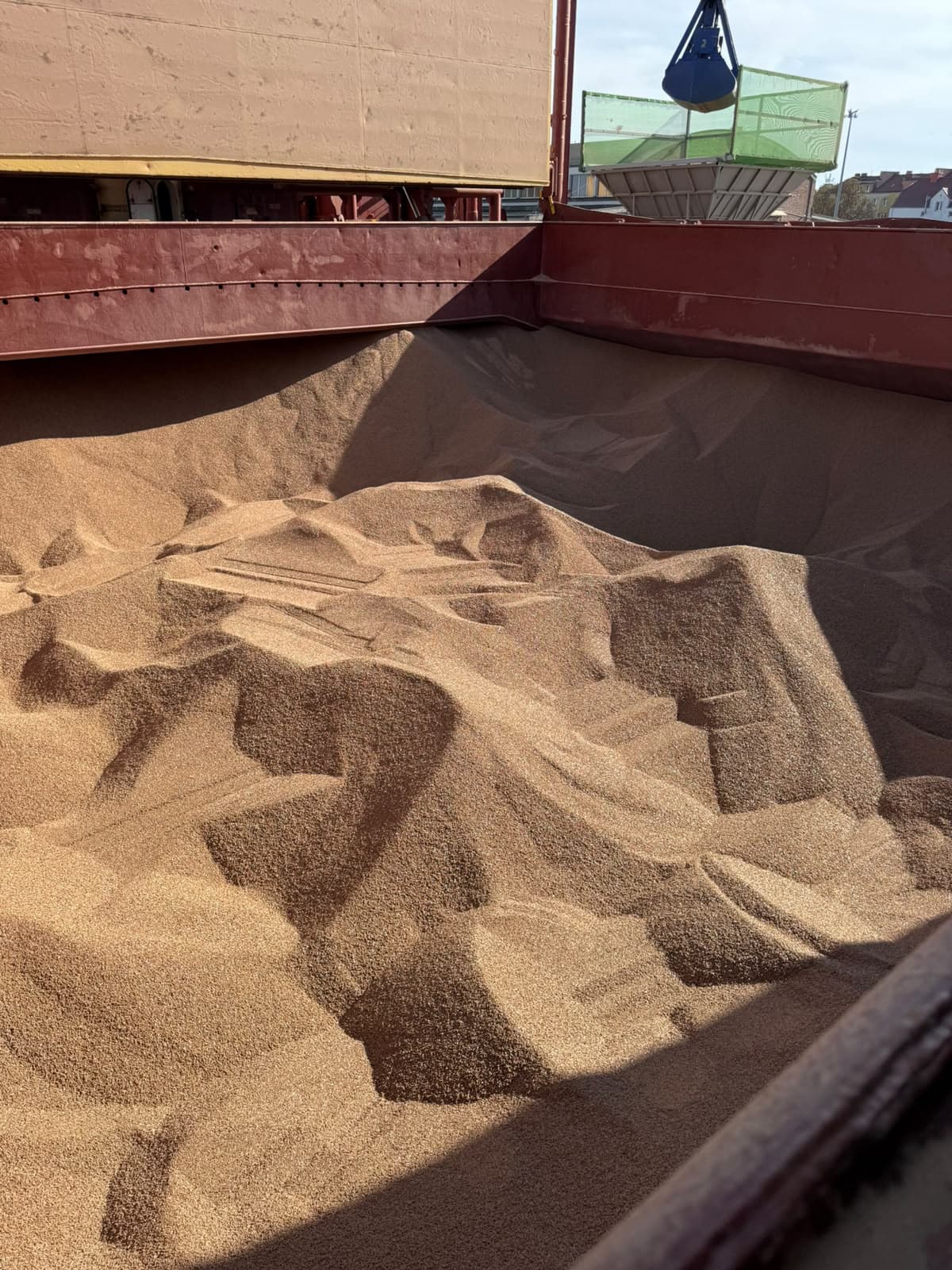
Photos of the cargo
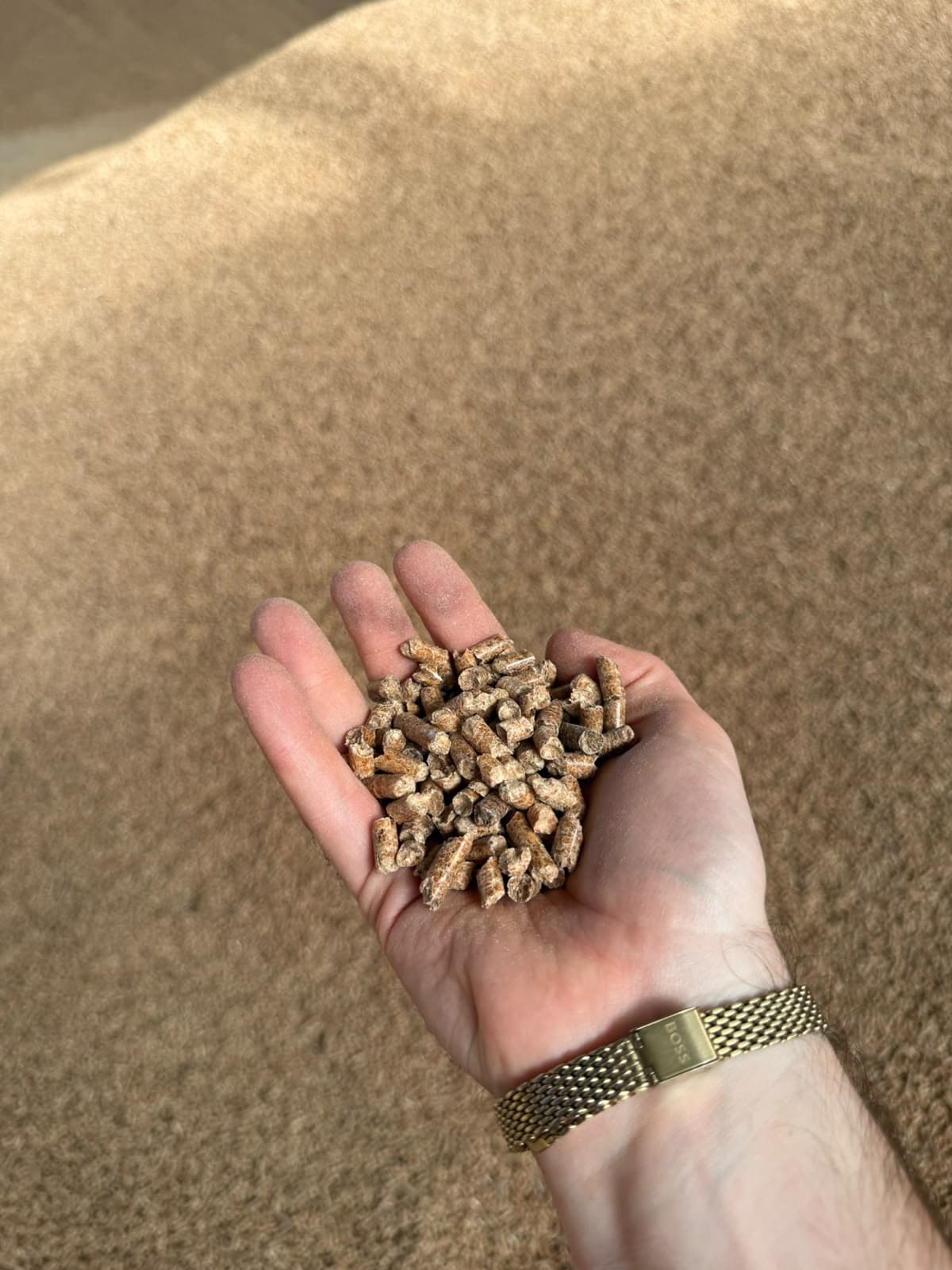
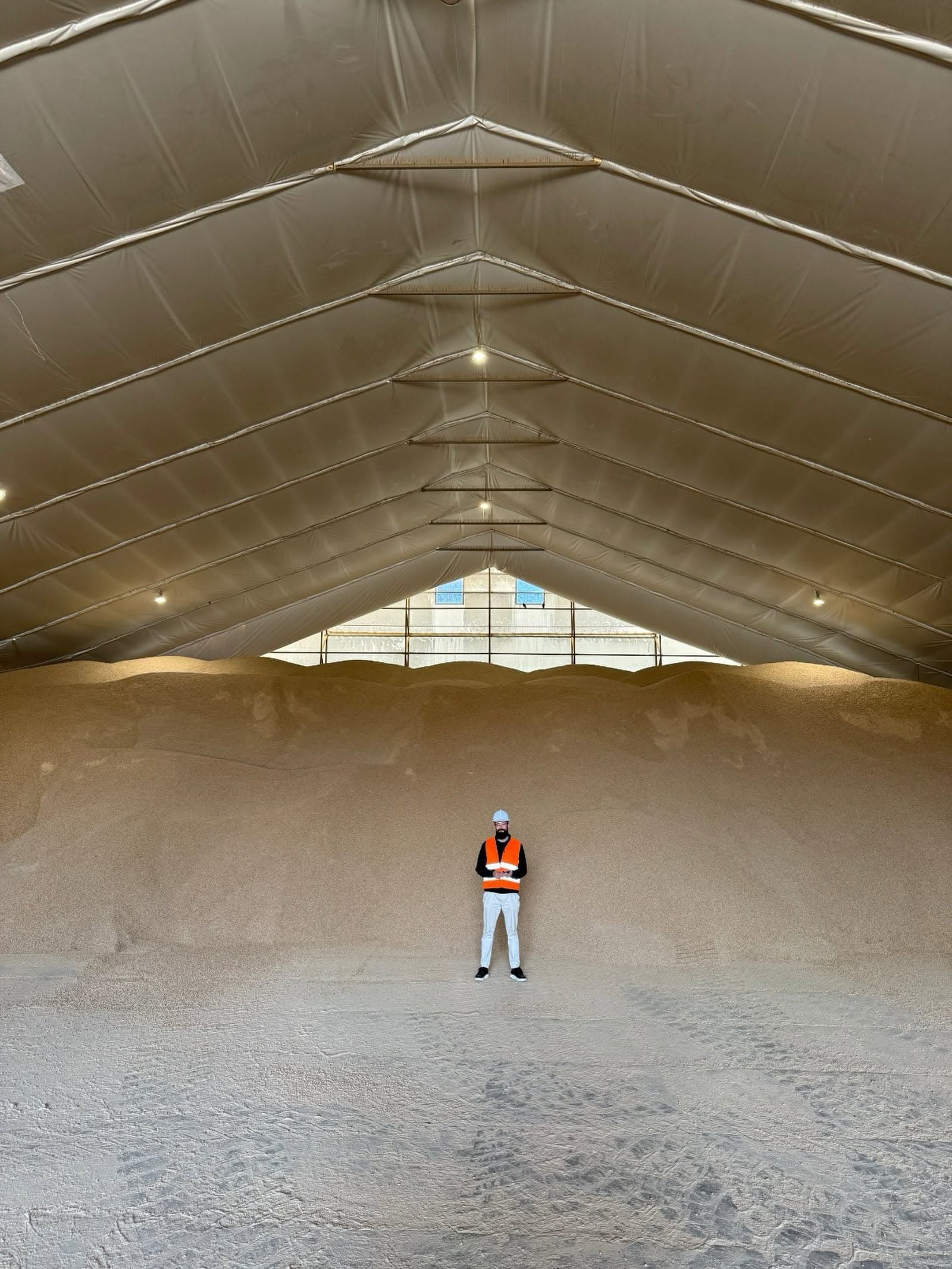
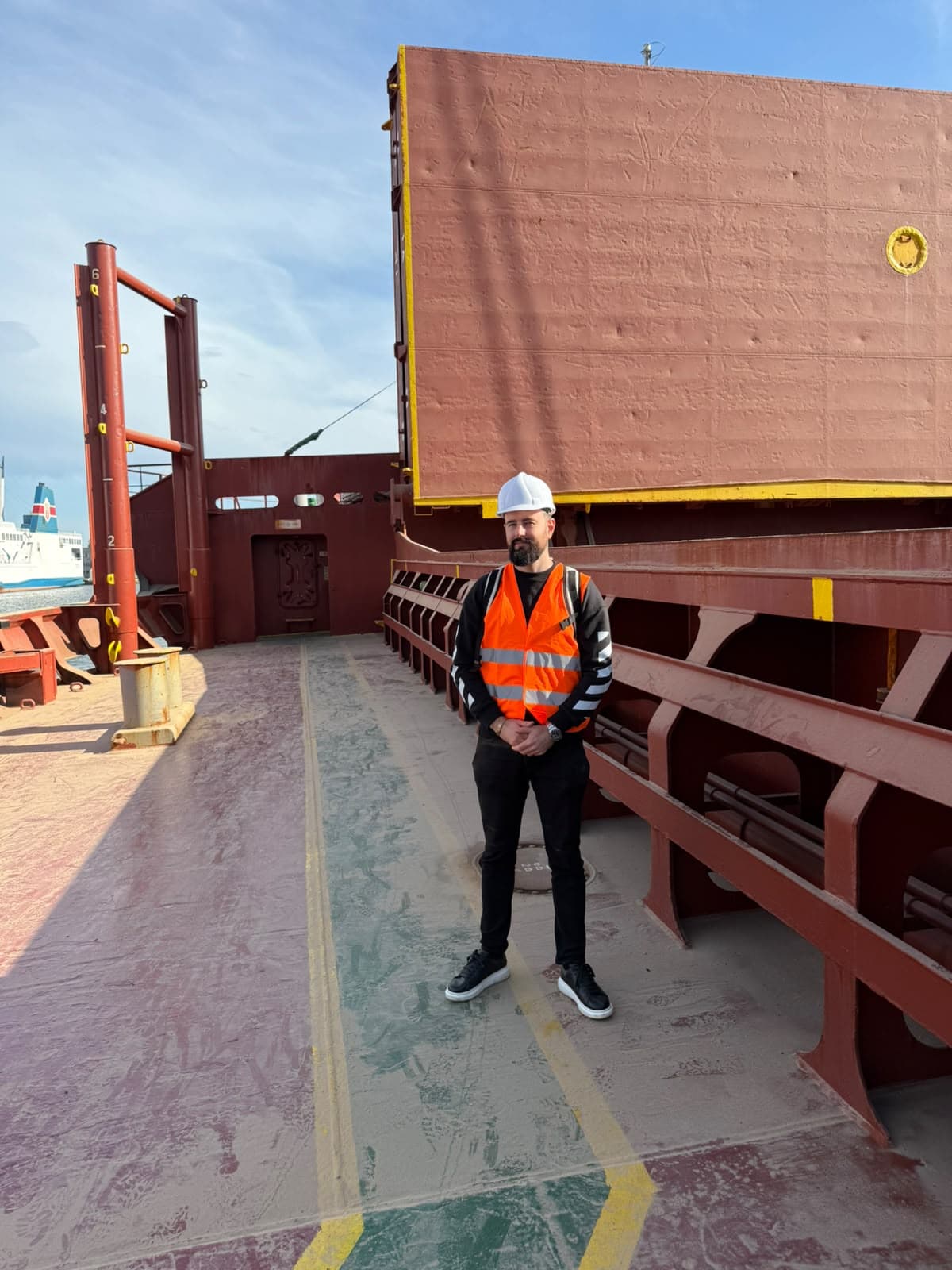
This is already our 7th vessel of A1 pellet
Every vessel on the line is a separate batch discharged at the port and sold to our customers. The current batch comes from the United States and is the largest so far.
Why these parameters matter in a large boiler
A calorific value of 17.82 MJ/kg means roughly 4.95 MWh of energy per tonne. Against a steady heat demand this translates directly into how many tonnes you must buy in a season, so it is worth comparing between suppliers rather than deciding on the price per tonne alone.
Ash at 0.15% leaves about one and a half kilograms of residue per tonne. Less ash means emptying the de-asher less often, less wear on the grate and fewer technical stoppages at peak season. Moisture of 5.06% further limits the energy lost to evaporating water in the combustion chamber.
Mechanical durability of 98.8% describes how well the pellet survives handling and feeding. High durability means little dust and fines, which makes for a calmer feeder and a less dusty store. At 727 kg/m³ one tonne takes about 1.4 cubic metres, so you can easily check what will fit in your silo before ordering.
How much A1 pellet do you need
Enter the tonnage or your annual energy demand — we convert one into the other and show the number of loads and the ash left to remove.
Based on 17.82 MJ/kg and 0.15% ash. Boiler efficiency is not included — these are fuel figures, not delivered heat.
We sell A1 pellet in bulk only
We do not sell pellet in bags or big bags — everything goes out in bulk. The model suits buyers with their own silo, hopper or covered yard who unload mechanically or pneumatically. It removes the cost of bagging and of disposing of packaging, and unloading one vehicle takes far less time than moving several hundred bags.
If you are looking for bagged pellet for retail resale, we will say so upfront: we do not carry it, and we would rather not waste your time on a conversation that leads nowhere.
Tell us which grade and how many tonnes you need — we will check availability and name the collection point.
How you take delivery from the Port of Gdansk
Own collection, FCA Gdansk
By default we release the pellet FCA Gdansk: we prepare the cargo and load it onto the vehicle you send, while the haulage and its cost stay on your side. Buyers with their own fleet or a standing carrier agreement usually choose this.
Transport on larger orders
We sell on FCA terms: we prepare the goods and load them onto the vehicle you send, while haulage is arranged by the buyer. For orders above 1,000 tonnes we can help arrange transport, agreed case by case.
How this fuel compares with the rest
Chips and PKS are shown at mid-range, as they vary by batch. The A1 and coal figures come from test reports for specific deliveries.
A1 or A2 — which class to choose
Class A1 suits buyers whose boiler is sensitive to contamination and where de-ashing is an operational bottleneck. Class A2 is enough for industrial installations built for higher-ash fuel, and the difference in energy per tonne is under two percent.
| Ash — A1 | 0.15% (approx. 1.5 kg/t) |
| Ash — A2 | up to 1.2% (up to 12 kg/t) |
| Moisture — A1 / A2 | 5.06% / up to 10% |
| Calorific value — A1 / A2 | 17.82 / from 17.5 MJ/kg |
| Raw material — A1 / A2 | 100% pine / softwood with bark |
Where our A1 pellet comes from
We ship the cargo from the United States and this is already the seventh batch we have taken this way. Importing lets us hold consistent quality and a stock measured in thousands of tonnes, which fragmented domestic supply could not guarantee across a whole season. Every batch arrives with its own test report.
Documents supplied with each batch
With every order we issue the test report confirming the batch parameters and the documents needed to settle the delivery. The company holds a KZR certificate confirming sustainability criteria for biomass. We do not hold ENplus certification for imported cargo and do not present it; conformity with class A1 is evidenced by PN-EN ISO 17225-2 and the test report.
Frequently asked questions
What is the price of A1 pellet per tonne?
We quote individually, because it depends on order size. Thresholds open at 26, 52, 104 and 480 tonnes. Send us the planned volume and we will give you a firm figure.
Does the A1 pellet carry ENplus certification?
No. We do not hold ENplus for imported cargo and we do not claim otherwise. Conformity with class A1 is evidenced by PN-EN ISO 17225-2, the Polish regulation Dz.U. 2025 item 618 and the test report for the specific batch. The company does hold KZR certification.
What is the smallest quantity of A1 pellet I can buy?
The smallest order is 26 tonnes, one full load. We do not go below that, because we sell in bulk only and settle by full loads.
Can I buy A1 pellet in bags?
We do not sell pellet in bags or big bags. Everything is released in bulk, straight onto the vehicle and into your silo or covered store.
How does A1 differ from A2?
The main difference is ash: 0.15% in class A1, about one and a half kilograms per tonne, against up to 1.2% in A2, which is as much as twelve kilograms per tonne. A1 also has lower moisture and higher durability.
Will 6 mm pellet work in a boiler specified for 8 mm?
In most industrial installations 6 mm runs correctly even where the documentation says 8 mm, because feeders handle the finer fuel. Still, check the boiler manual or ask the manufacturer, especially if the burner has a fixed feed curve.
How long can this pellet be stored?
Moisture of 5.06% and durability of 98.8% favour longer storage, provided the store is dry and covered. Pellet absorbs moisture from the air, so do not keep it on an open yard or anywhere condensation collects.